International PKU Day is the anniversary of two innovators and “founding fathers” in the diagnosis and management of PKU. Horst Bickel produced the very first (and probably most unpleasant) protein substitute for the treatment of PKU – he made the phenylalanine free mix for his young patient Sheila Jones over the winter of 1951-1952.
Around the world babies, and young children were tested for PKU using a urine test and were treated…but sadly this did not save them from some of the brain damage that they had already experienced before they’d been tested. Robert Guthrie knew testing or screening all children as early as possible in life, would mean children could be put on treatment before the damage was done. Robert Guthrie spent 10 years developing his screening test and travelled the world with his whole family, getting newborn screening underway.
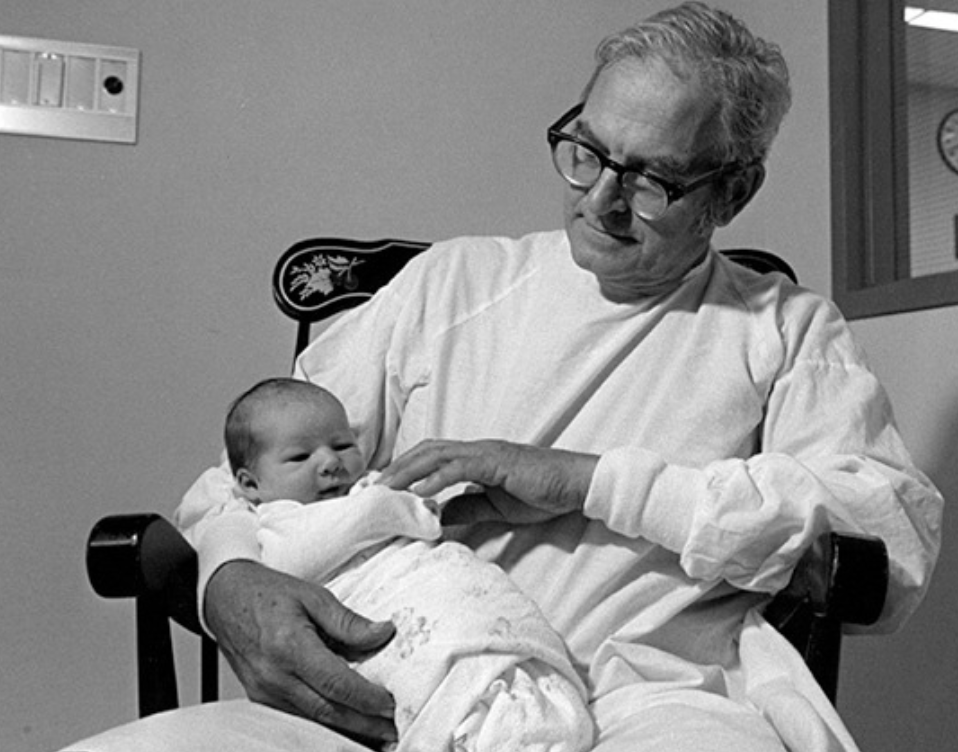
Robert Guthrie
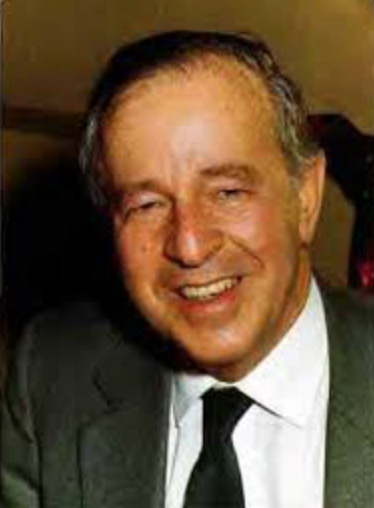
Universal newborn screening for PKU using dried blood spots collected onto a filter-paper card (the Guthrie card) started 1969 in UK. Horst Bickel’s treatment and Robert Guthrie’s screening meant much better lives for babies born with PKU from 1969 onwards. Robert Guthrie was born on 28th June 2016 and Horst Bickel 28th June 2018 – therefore we have International PKU Day – to celebrate these medical innovators.
Horst Bickel
What Next?
What innovations are happening now which could further improve lives of people who live with PKU? Potential PKU treatments in the early stages of development:
Gene Therapy: makes the liver able to produce the enzyme Phenylalanine Hydroxylase (PAH), by giving it the “correct” genes (in the form of DNA or deoxyribonucleic acid) to “code” for a working version of the enzyme. Gene therapy is infused into the vein of someone with PKU to allow the gene to reach their liver cells.
mRNA Gene therapy: works in the same way as standard gene therapy – it provides the “coding” for a correct version of the enzyme PAH, by giving genetic material that targets the liver and makes PAH. This mRNA (messenger ribonucleic acid) would be quicker to act than standard gene therapy (but would also not last as long as standard gene therapy – maybe needing an infusion once a week or once a fortnight)
Phenylalanine Ammonia Lyase in the form of SYNB1618: a product is based on bacterium E. coli Nissle or “Microflor” which has Phenylalanine Ammonia Lyase or PAL in it, which breaks down Phe. The bacteria can react w phe in the gut – there are extra enzymes (two different types) in the bacteria which process phe into harmless products
Sepiaterin: like sapropterin (Kuvan) and is a natural precursor to sapropterin. The body can generate larger amounts of sapropterin by giving this precursor. (Sapropterin or Kuvan, makes your own PAH enzyme work better by locking onto it, changing its shape to make it work better and the Sepiaterin will make the enzyme work better in the same way).
Phelimin: A chemically inactive material (a polymer) binds or sticks to the phe in food when taken at the same time or after eating.
The NSPKU will be taking a keen interest in how these potential treatments develop and we will ensure that the PKU community gets to hear what is going on in the world of PKU research.
To donate to NSPKU and support us in promoting awareness and supporting people living with PKU please click on this link: https://www.nspku.org/support-us/
“The NSPKU started in 1973 after Brian and Sylvia Smith wanted to contact other families living with PKU and they spoke about it on Radio 2. Fast forward 46 years and the NSPKU is a thriving charity with its own administrator, helpline, political campaign team, Twitter, Facebook and YouTube presence. In 1973 the NSPKU was tiny, now there has been 50 years of screening, and the community living with PKU in the UK is in the thousands (though it is a rare disease).”
Suzanne is the Dietitian for NSPKU and works with three separate electronic devices and three phones in front of her, all the better to tweet/skype/speak/email and type on!
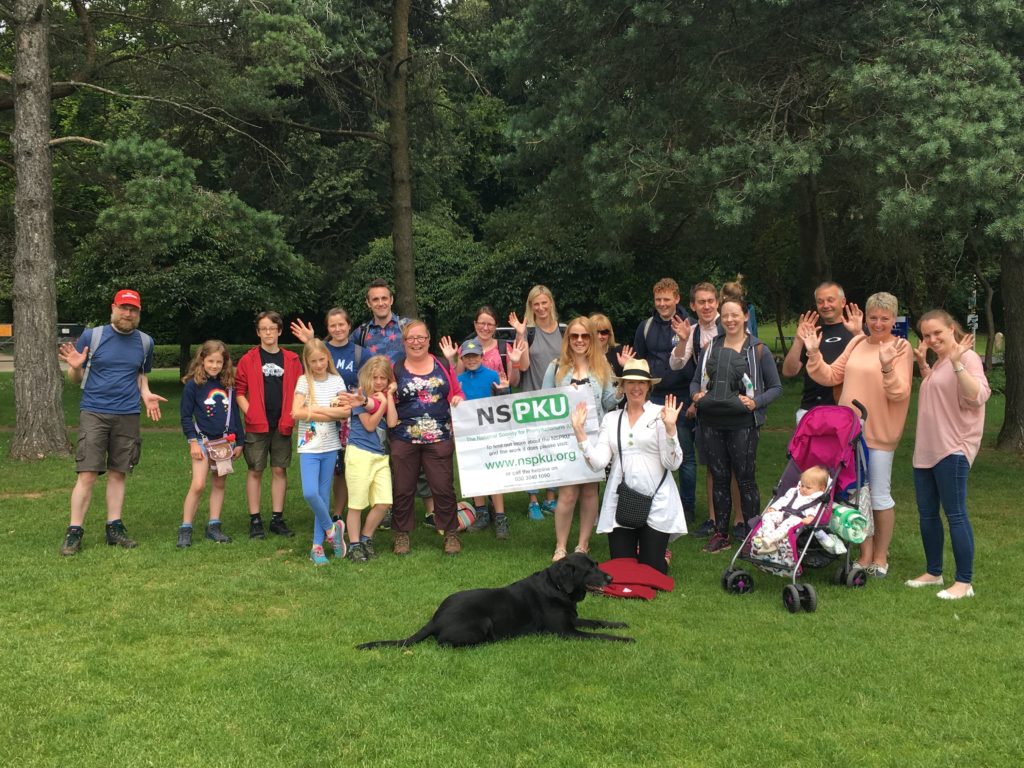
Suzanne and a group of the PKU community doing some walk and talk, also known as “Step Forward for PKU” on International PKU day June 2019
Taking today as an example: Suzanne says:
“I’ve written letters to help support people with their extended travelling and volunteering ambitions, I’ve spoken to one of our most active awareness and fundraising Mums about planning an event next Spring (we’ve a long shopping list for this fundraiser) and I’m collecting prizes for our annual Spring Draw and I’ve been on the phone.”
“We have an administrator, Caroline, a bookkeeper Margaret and Kate our campaign manager – we’re in 4 corners of the UK and speak on the phone. The NSPKU has a really ‘lean’ team, which means members’ and fundraisers’ money is never wasted. We answer complex questions from our families about health, benefits, support at work, difficult issues that people face and occasions when they may want a letter or comment in addition to that provided by their metabolic team. We have our own mini network of PKU experts to call upon – the Medical Advisory Panel who are treating and researching PKU in their jobs. It’s thrilling to see the research done about PKU all the time – I try to summarise some of this in our magazines and newsletters too.”
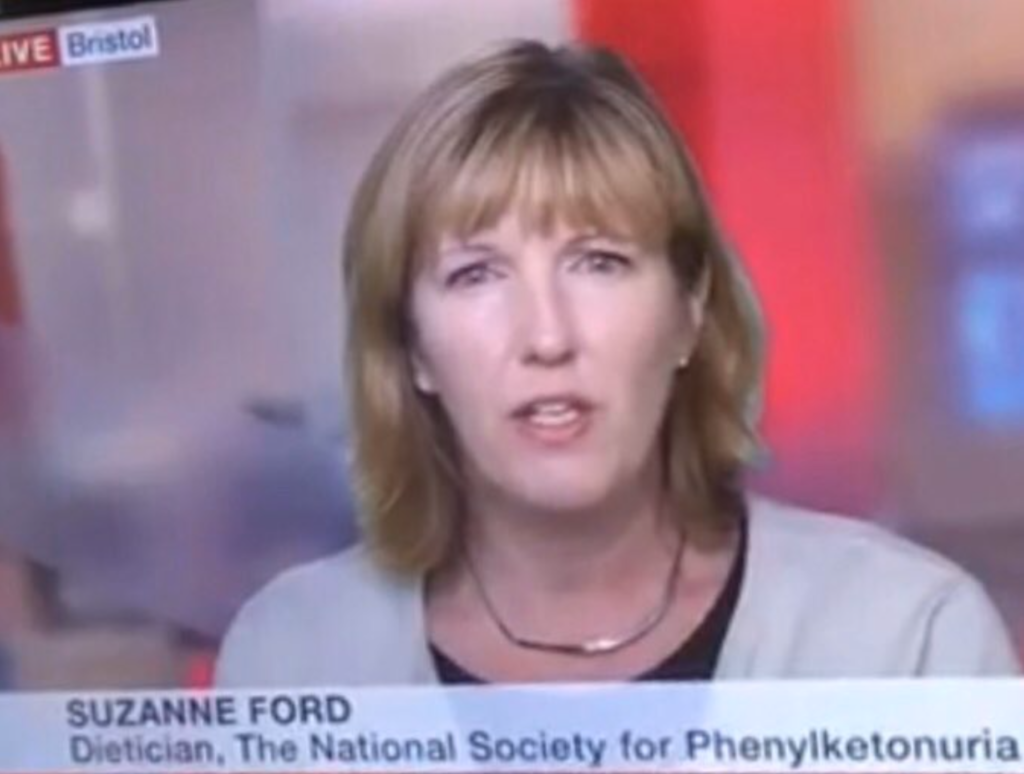
Suzanne on the BBC – August 2017
“I’m currently planning our conference programme… we’ll have researchers, dietitians and medics speaking, but the most interesting and powerful part will be our ‘patient panel’, because this is where the most interesting experiences can be heard and next year will be no exception.”
“I often contact people saying “I think this happened to you/I think you tried this/cooked this/travelled there?” and let’s add in your real life advice to the “professional” opinion. So, I believe that I am in a team with the people I am here to work for, and I hope the community thinks this too. In truth we all draw on the amazing strength of this whole community. This strength is going to be needed in our discussions and campaigns in the future, it is so important that we progress our campaign for fair access to a choice of treatments.
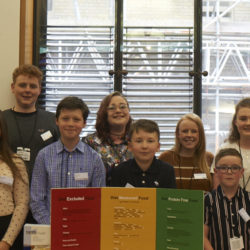
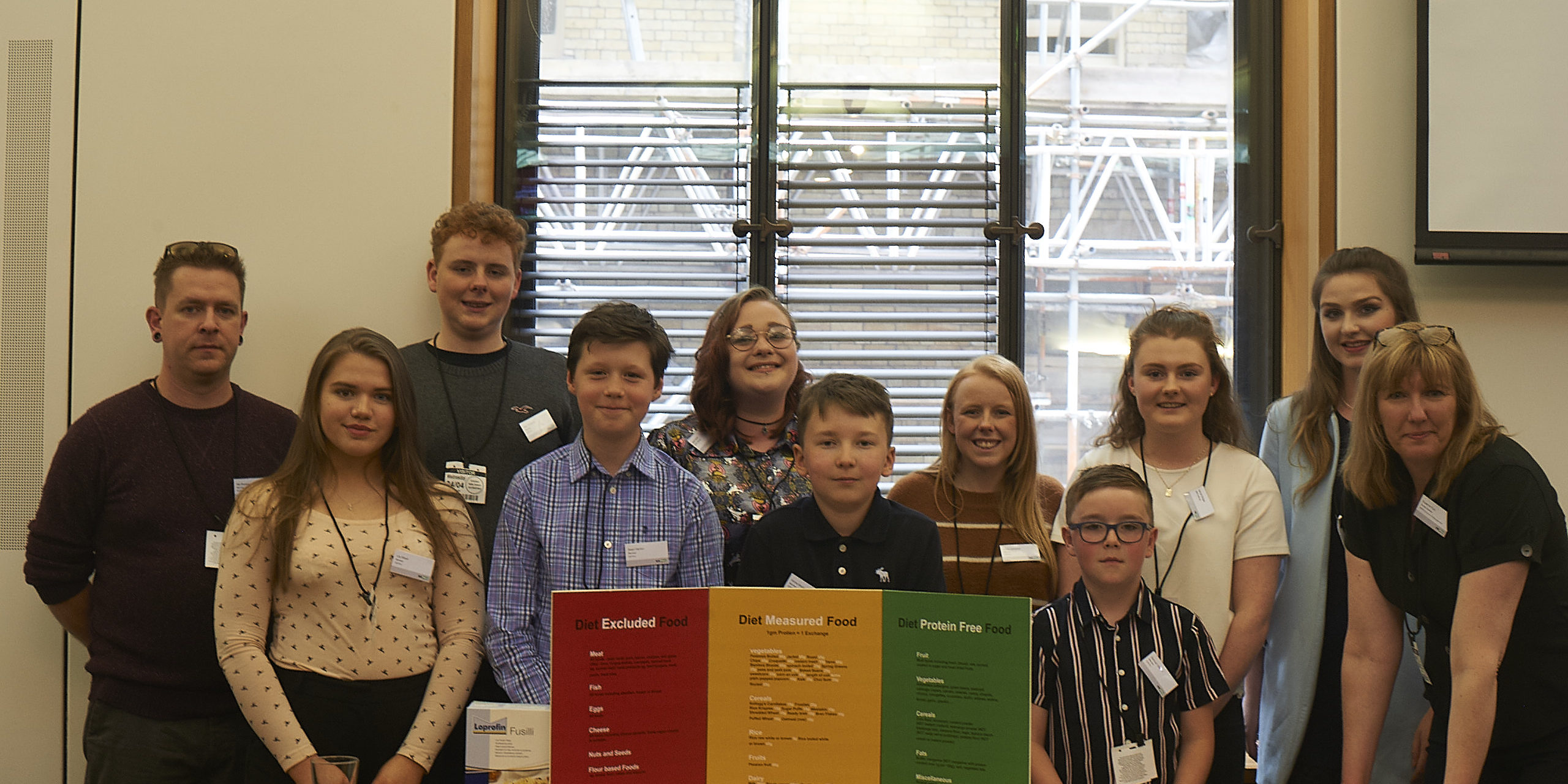
Suzanne and a group of people who have PKU at the 1st birthday party of the All Party Parliamentary Group April 2019.
“There are interesting times ahead and I will be here informing and supporting. If you are reading this and you aren’t a member of NSPKU, then please join up, it is just £20 for a family or adult membership and you will get 4 beautiful magazines each year as well as e-newsletters each month. Finally: if you need to speak to me, whether or not you are a member – please get in touch – ring, direct tweet me or email me (suzanne.ford@nspku.org).”
NSPKU is here for everyone living with PKU.
We would like to thank Suzanne Ford for sharing her experience of working for the NSPKU. The NSPKU are a fantastic charity, and if you are interested in joining, which we would encourage, just visit www.nspku.org.
So… you have been told your child has Phenylketonuria, or ‘PKU’ for short. You have never heard of it before, and certainly can’t pronounce it. You need some reassurance.
First things first, don’t panic! There is so much support out there, and new PKU-friendly foods and supplements are being developed daily. They will help keep your baby happy and healthy until they are old and grey.
What is PKU?
PKU is a rare metabolic disorder, whereby patients are unable to break down the amino acid Phenylalanine (Phe), found in Protein.
Amino acids are the building blocks of protein. 20 amino acids make up protein and our bodies can produce 10 of these amino acids, the rest (including Phenylalanine) are provided by food. Unlike fat and starch, the human body does not store excess amino acids for later use—the amino acids must be in the food every day.
Put simply, patients must adhere to a strict low protein diet to avoid build-up of phenylalanine in the brain, which causes brain damage.
If the diet is adhered to, your child will develop at the same rate as a non-PKU child and will have the exact same life expectancy.
How can you describe PKU to young siblings or family members?
“{insert child’s name} can’t eat certain foods like you can, or he/she will become poorly. Foods that you can eat such as meat, cheese, eggs, milk, fish, cream, nuts, seeds and other foods that have a lot of ‘protein’ in them, are not very good for {insert child’s name}. Many fruits and vegetables are really good for him/her and there are also specially made foods available on prescription e.g. bread and pasta.
{insert child’s name} will have to eat different food to you, and you need to help us look after him/her to make sure he/she doesn’t eat anything he/she shouldn’t eat when he/she gets a bit older.”
How did your baby get PKU?
Genes (say: jeenz) play an important role in determining how we look and lots of other stuff about us. They carry information that makes you who you are and what you look like: curly or straight hair, long or short legs, even how you might smile or laugh. These are passed on to you — or inherited — from your parents. Some faulty genes do not always cause symptoms on their own, but can also be passed on. In PKU your baby has received a copy of the faulty ‘PKU gene’ from each parent.
Will my child look different or develop differently to other children?
No. If your child follows the low protein diet to keep their phenylalanine level under control, they will develop the same as any other child without the condition. They will look no different to any other child. Their life expectancy will also be no different.
What would happen if my child didn’t adhere to a low protein diet?
In the short term, their concentration and mood can be affected. Some parents have reported irritability in their children or general ‘naughtiness’. In the long term, the Phe build up will lead to brain damage, resulting in developmental issues and hindered capacity to learn and function as they should.
Is there a cure, or will my baby grow out of PKU?
No there isn’t currently a cure and you do not grow out of PKU. As your child gets older, their Dietitian will advise if it is safe or not to increase their protein intake.
Will I be able to breast feed by baby?
Yes. Breast feeding can be used in combination with a special baby milk which does not contain phenylalanine. Your baby’s Dietitian will advise you which formulas to use. Breast feeding is encouraged as breast milk is relatively low in phenylalanine and it’s very nutritional for the baby, and is beneficial for the mother.
Will my child be able to have a child of their own one day? Will their child have PKU?
The chances of conceiving a baby are the same as for non-PKU patients, but females must follow strict diet before and during pregnancy as high Phe levels are harmful to an unborn baby. The Dietitian will explain this when the time is right. According to the NSPKU, the chance of your child with PKU also having a child with PKU is approximately 1 in 100.
How will my life change day-to-day, looking after a child with PKU?
Regular visits to hospital: Appointments with your specialist metabolic Consultant and Dietitian are very important. They will check your child’s development and advise of any changes to their diet, you can ask them any burning questions. The Dietitian will advise you of any specialist food and supplements you can order from your family Doctor
Regular blood testing: Your Dietitian will advise you how often you need to take heel / finger prick samples and send them in for testing. This will ensure your child’s phenylalanine levels are monitored outside of your clinic visits.
Your kitchen cupboards! As your child gets older, you will store lots of different low protein foods (delivery is usually in bulk) and you will stock your fridge with protein substitute formulas. If you are lucky enough to have a pantry, this can be your new PKU stock haven!
Eating out: Restaurants are becoming more and more flexible when it comes to choices for those with intolerances, and there are veggie and vegan restaurants popping up every day. Even Pizza Hut offers a 0% protein cheese option (if you ask for it) and you can take your own pizza base and ask them to cook it for you instead. That being said, eating out will be less spontaneous and planned in advance. Eating in is often the choice that provides the most variety.
Educating everyone around you: Whether it is nursery or school staff, friends and family members, hotels and airlines, you will become a world-class PKU educator/ninja! Anyone that may be cooking or preparing food for your child, must know what your child can and cannot eat, and the consequences of getting it wrong.
How can I connect with other PKU parents?
This is the easy part! There is a strong online PKU community as well as on-the-ground PKU events and clinics where you can meet others in person.
NSPKU Annual Conference: This is a fantastic event that takes place in a different location around the UK each year. The NSPKU is the National Society for Phenylketonuria, and exists to support patients and families with PKU. Over three days, you will have a jam-packed agenda and learn everything there is to know about PKU, meet other families and most importantly have a great time!
Company Events: Cambrooke and other low protein food/formula companies host events throughout the year across the UK. Follow social media channels to find out what is happening in your area.
Clinics: You will meet other parents at local hospital clinics. You will also have a chance to try a range of foods and formulas that your child can get on prescription.
We hope this helps to put your mind at ease during this very stressful time. If you still have some questions you are welcome to email us: ukinfo@cambrooke.com, and we will do our best to help answer them.
Maintaining an organised kitchen has benefits for all of us, but for those managing a low protein diet it can have an enormous impact. Saving time and bringing order to your surroundings, will allow you to balance your competing commitments and reduce the stress associated with meal planning.
When you get home at the end of a busy day, you want to eat nourishing food, spend time with loved ones, perhaps catch up on some hobbies and then get some well-earned rest.
Hopefully these tips will help you do just that!
1. Preparation
Pick one day each week where you have a spare couple of hours to yourself. This can be early on a Sunday morning, on your Wednesday afternoon off, or whenever is convenient for you.
Spend roughly:
30-45 minutes planning your meals for the next week 1 hour grocery shopping 10 minutes checking your formula stocks and ordering low protein foods 20 minutes organising your kitchen
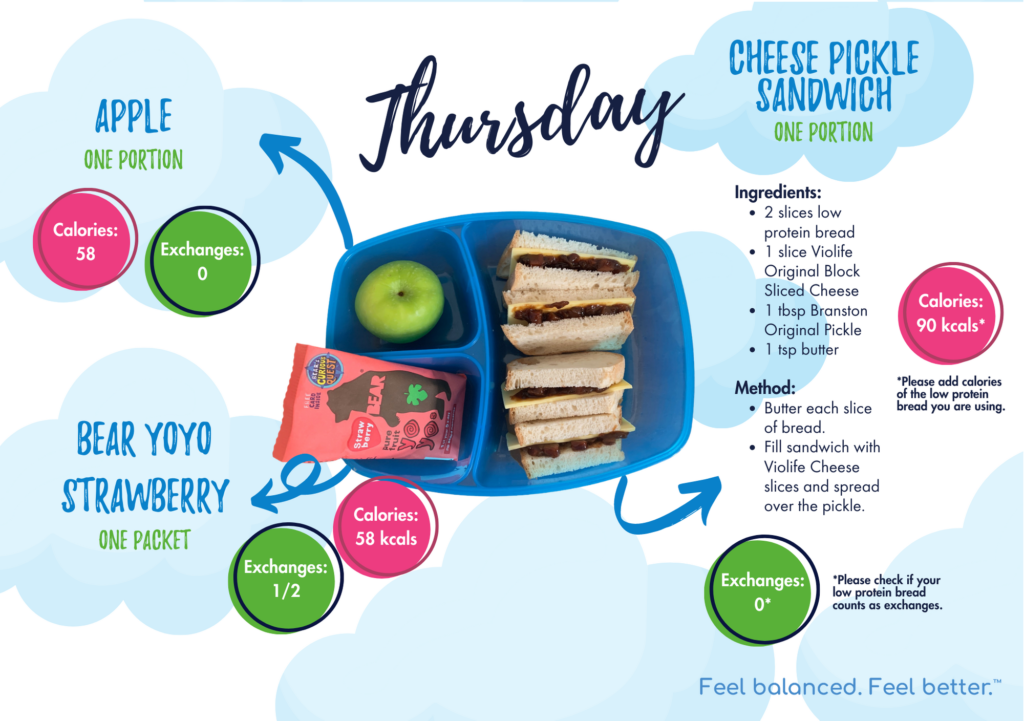
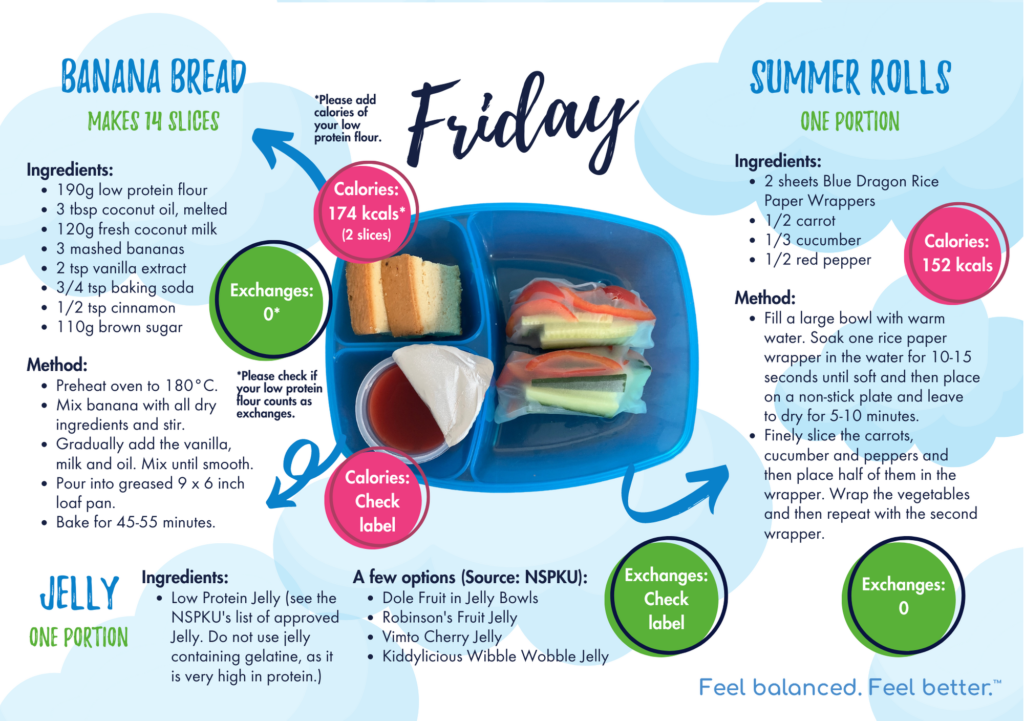
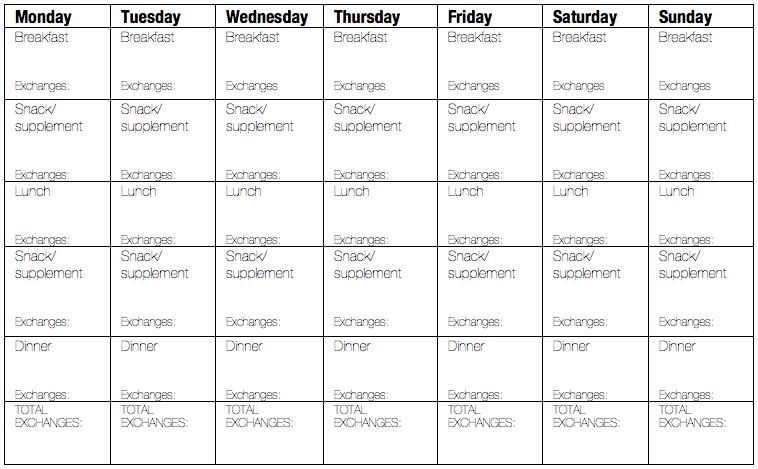
You can use a grid similar to the one below to plan your food for the week, or use our handy 5 day meal plan instead!
2. Grocery Shopping
For a full list of fresh low protein produce visit the NSPKU’s dietary guidance.
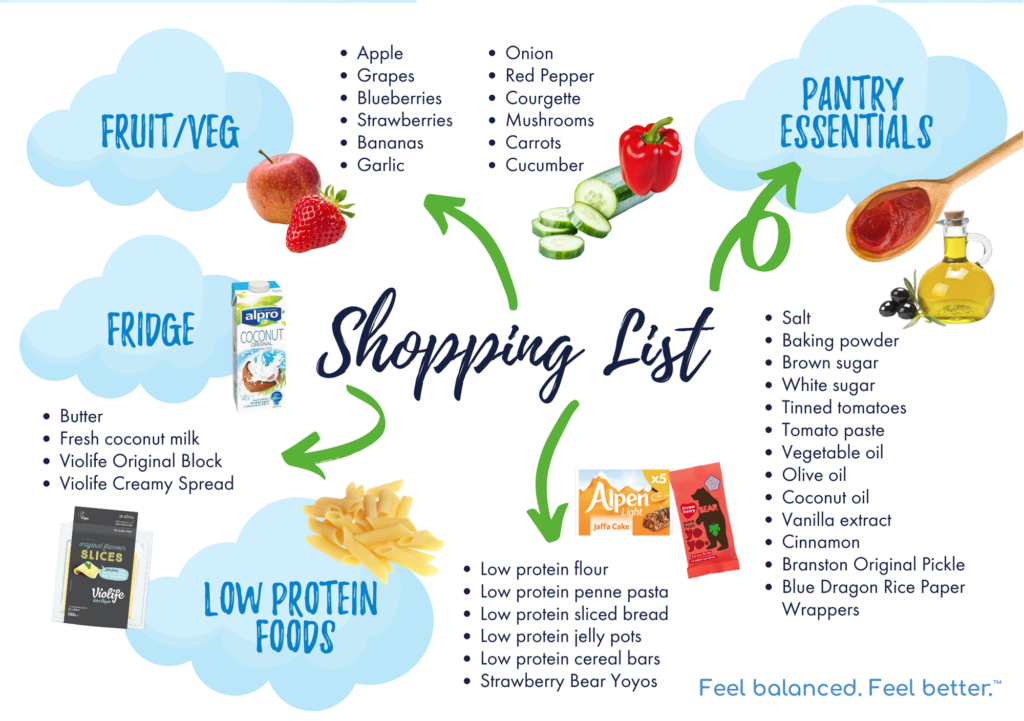
Always take a shopping list to the supermarket with you and try to stick to it, to avoid wastage. It’s all too tempting to veer off and purchase too much food for the week.
You can also order your groceries online. Off-peak deliveries from just £1 can work around your busy schedule. They also ensure you do not get tempted by high protein foods in-store.
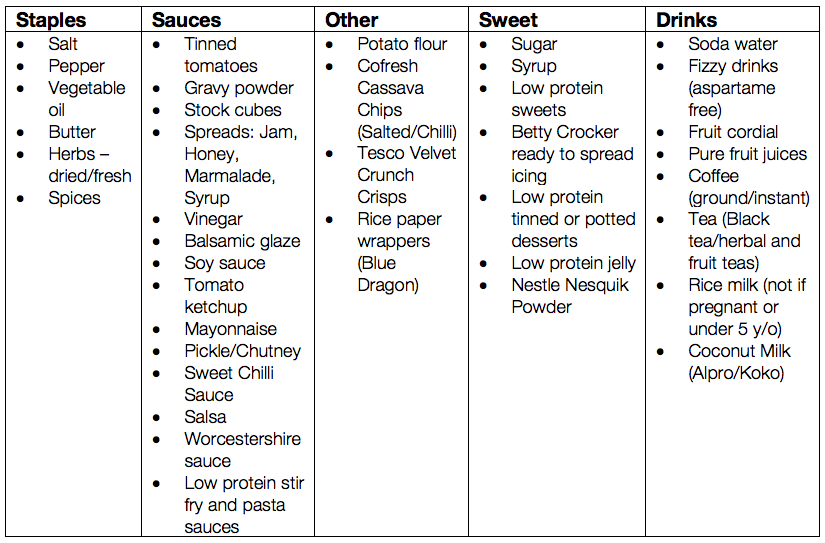
3. Stock up on a range of kitchen cupboard essentials
The NSPKU have a handy guide with all exchange free foods listed, but here are some of our favourites:
4. Batch cook!
Since you are spending time and effort cooking a meal, why not make more than one portion for a rainy day? You can freeze most meals and soups and they taste just as good, if not better when you reheat them later on!
We have lots of quick and easy recipes on Low Protein in 15. Simply double, triple or quadruple the ingredients to make a larger meal that will last for days/weeks to come.
You can also adapt all low protein recipes for other family members. For example, you can add meat or fish to any vegetable stir fry or bake. You can also swap certain low protein ingredients with regular ingredients. For example, instead of using cauliflower rice and Violife cheese in our Baked Red Pepper recipe, you can use basmati rice and dairy cheddar.
5. Food segmentation
Use small boxes to segment your fridge and cupboard items into food groupings. For example, put all drinks on the bottom of the fridge, all spreads and sauces at the top, and all groceries in the middle. That way, you can easily find all of the component parts of your meal, reducing prep time.
Similarly, why not put all spices together in one cupboard tray, and flours and sugars in another. Practicing this also reduces the amount of wastage in your cupboards as you won’t rebuy items that you already have.
6. Appliances
There are a few kitchen appliances that will make your life much easier when managing a PKU diet! Here are just a few of our favourites…
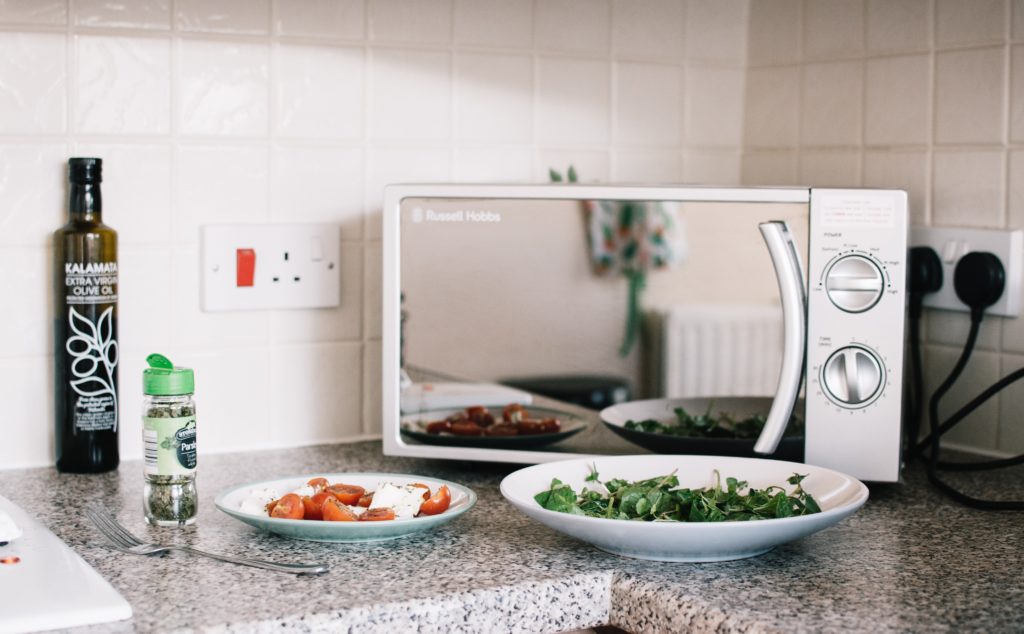
Microwave: To cook food quicker, saving you time in the evenings.
Blender: To make smoothies with your PKU formula, soups and dips!
Hand blender: Perfect to whizz up a low protein soup straight in the pan.
Cup measure: An easy way to measure your ingredients in a hurry.
Scales: To help weigh out food and work out exchanges.
Wok or frying pan: You can make lots of low protein vegetable stir-frys and curries in these.
Deep saucepan: Perfect for making soups and pastas.
Spiraliser: To make courgetti spaghetti for an exchange free and healthy pasta.
Toaster/sandwich maker: To liven up your low protein bread at lunchtime.
Grater: For low protein cheese and for vegetables on salads.
We hope these tips help you organise your kitchen in way that lets your low protein diet flourish. If you would like to join our dedicated recipe group, visit Low Protein in 15.
If you have any questions about our range of products, contact ukinfo@cambrooke.com.
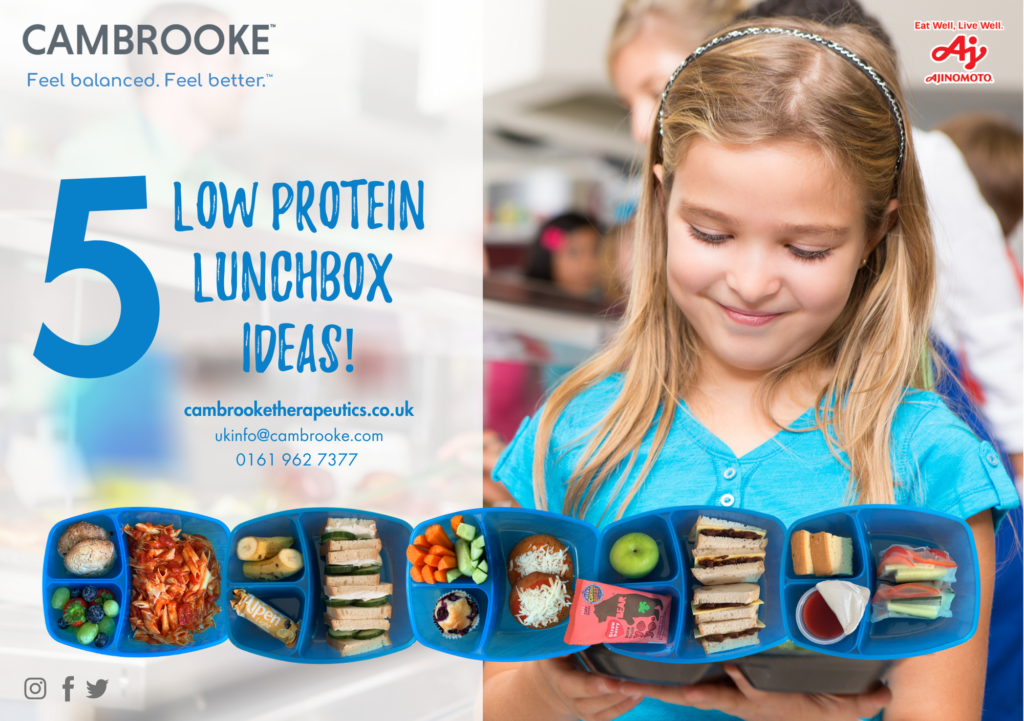
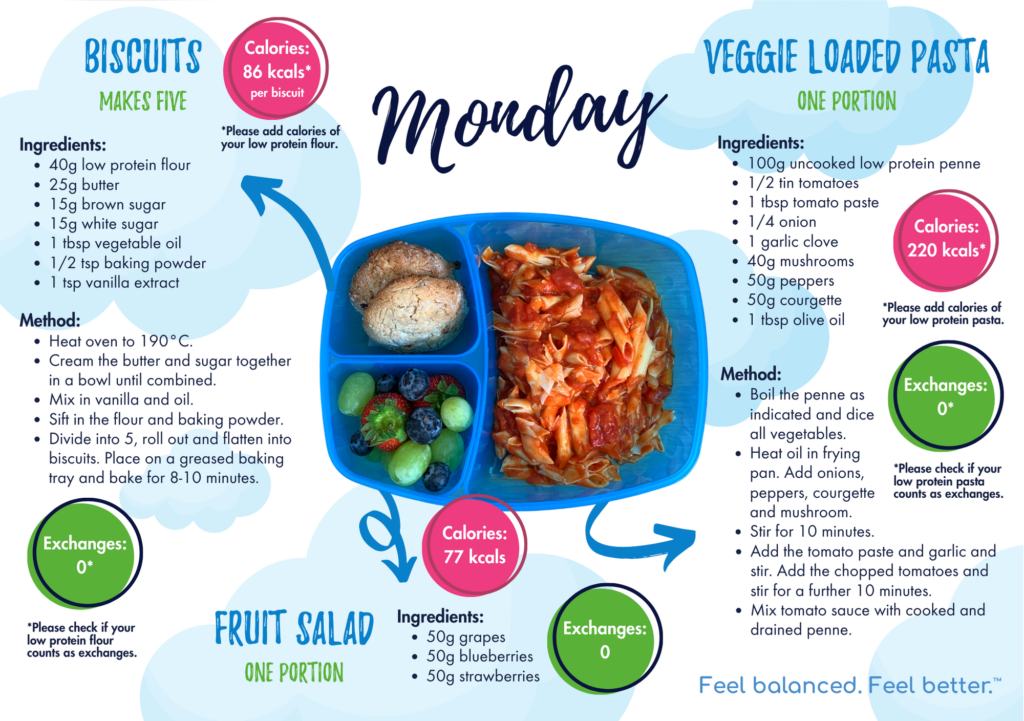
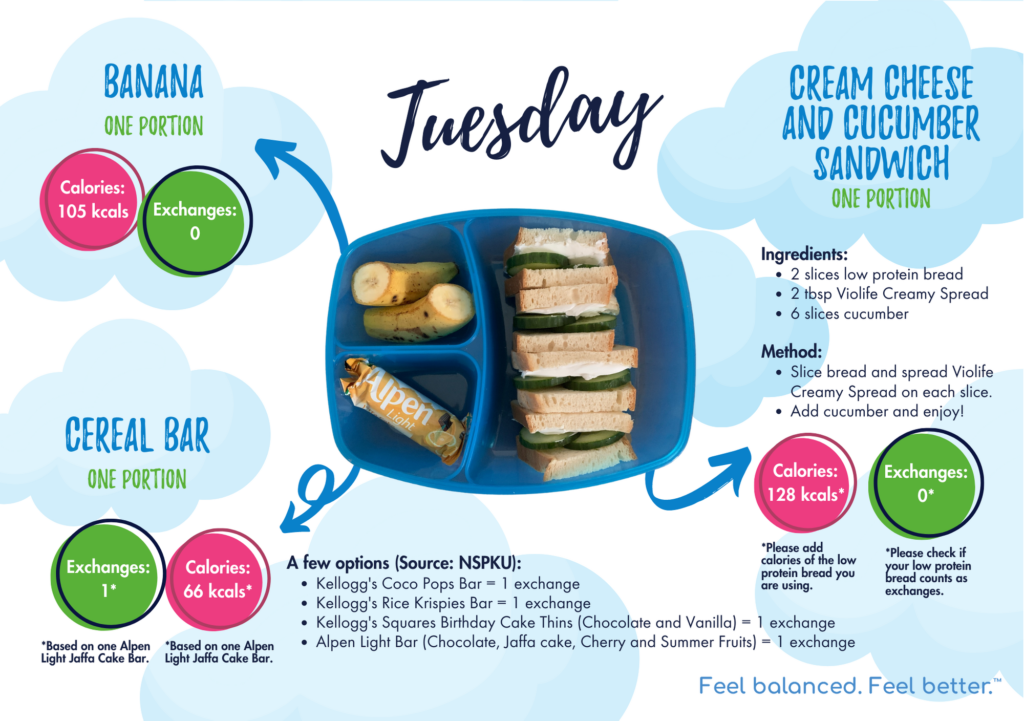
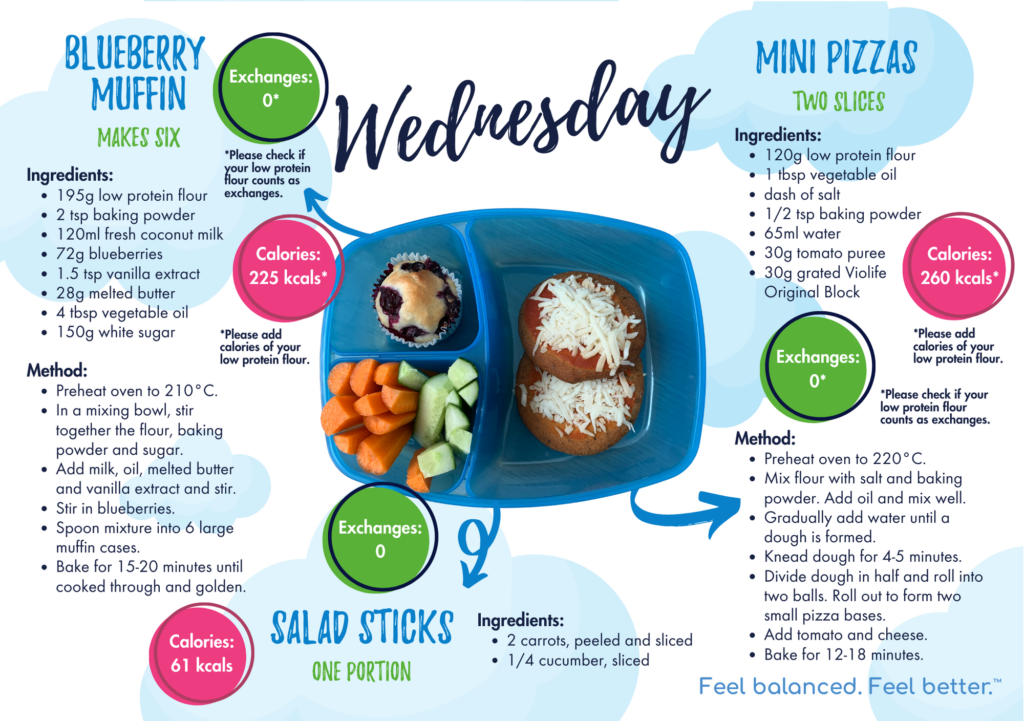
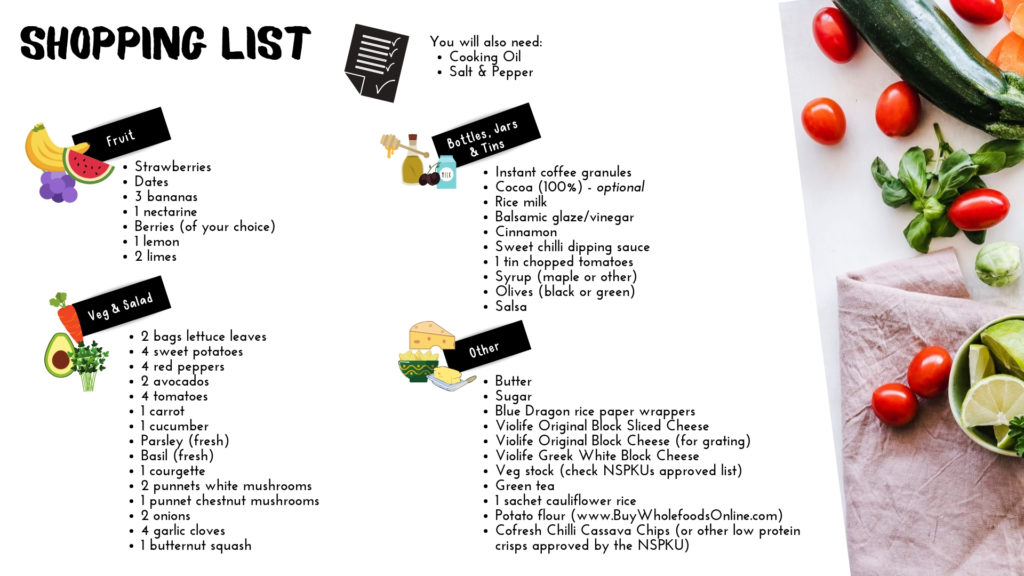
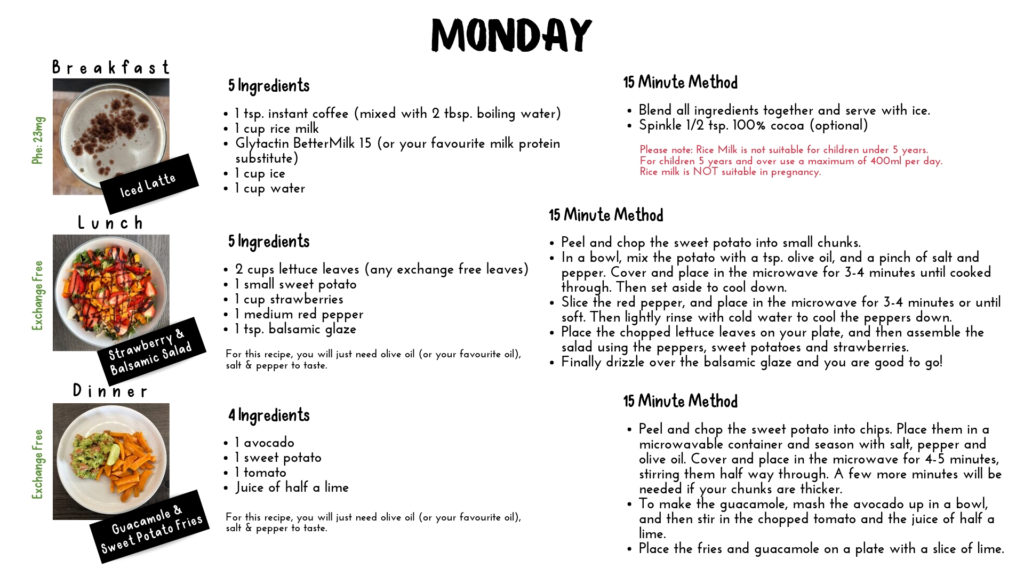
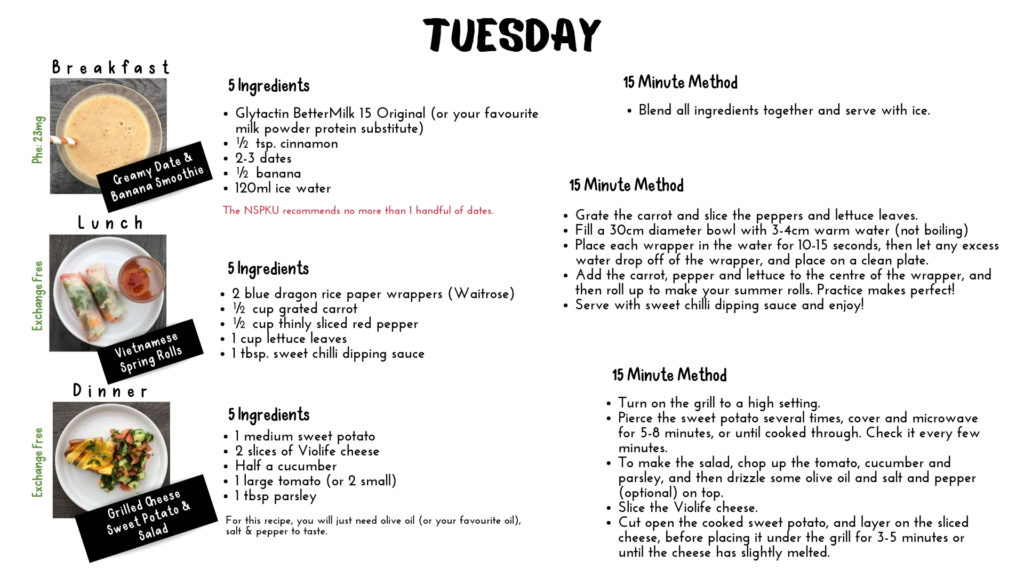
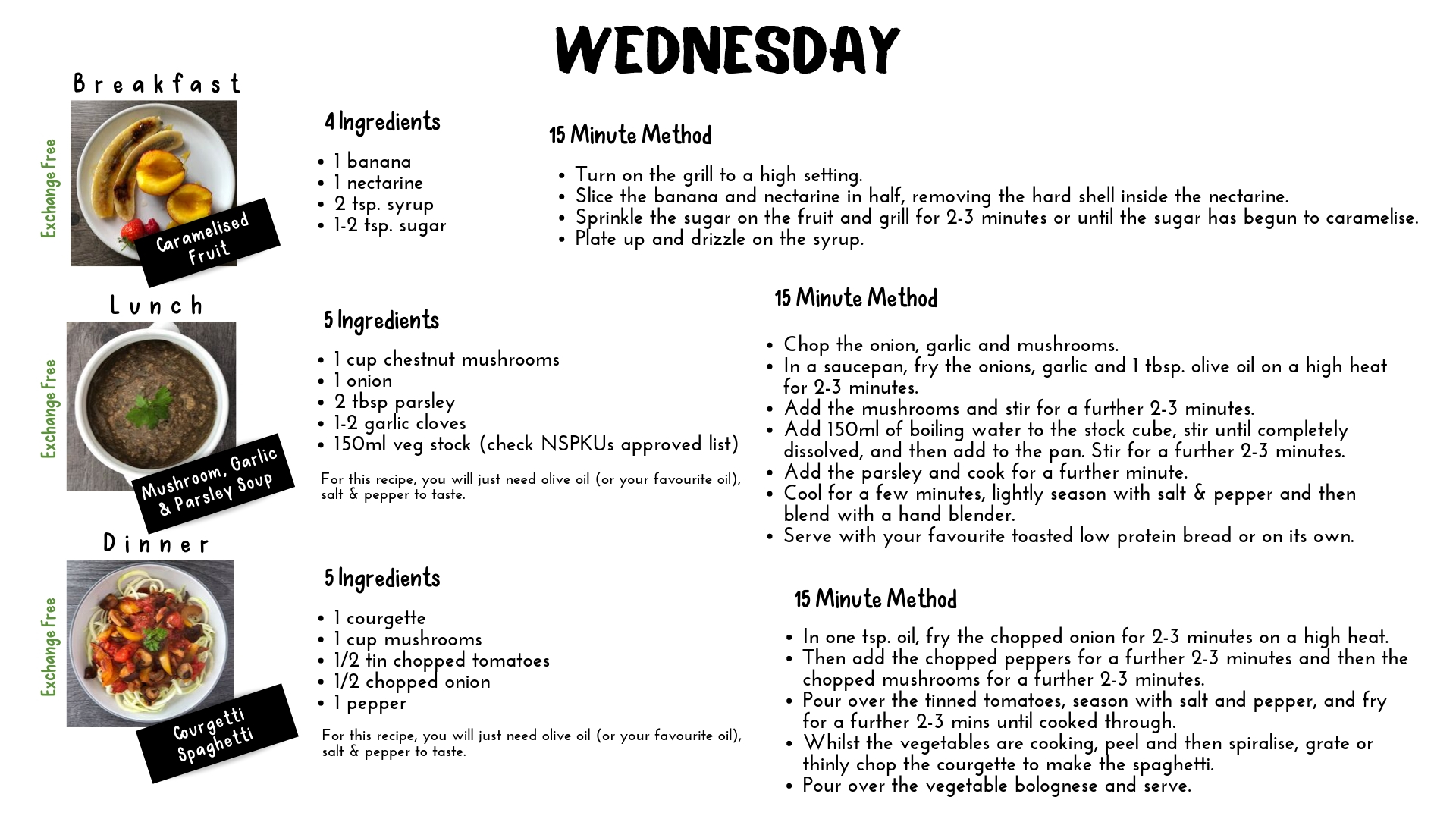
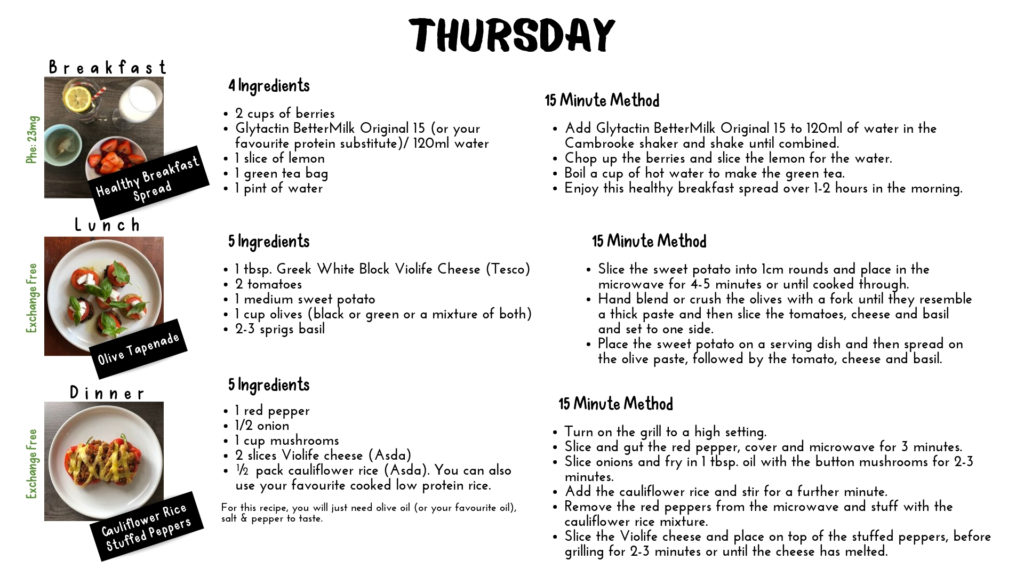
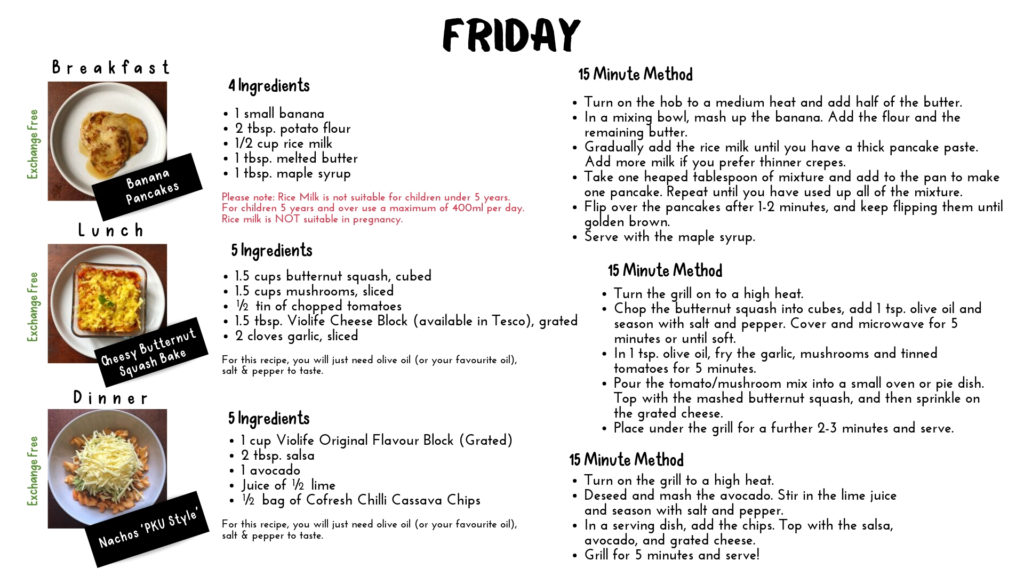
Get inspired and save bags of time with this Essential 5 Day PKU Meal Plan & Shopping List. Packed with nutritious fruit and veg, most of the recipes are exchange free and they are all delicious!
Have you joined Low Protein in 15? We create easy 5 ingredient/15 minute recipes for you every week. So there is no need to stress anymore!
As a child, I just got on with it, knew no different and trusted my mother wholeheartedly to provide for me and ensure I got what I needed. Now, as a mum to my two boys and as an adult striving to keep myself and my boys and husband healthy and well fed, I can see the huge impact my mum has had on my own life. She literally saved me.
You see, the survival of a PKUer wholly depends on the luck of the draw – by this I simply mean the roulette of life – what kind of family you are born into. I was lucky to be born into a family where they had time, love and understanding.
For those people who are born into families who struggle with any of these attributes, life for a PKUer can turn out very differently. Imagine if my mum just found it too hard (I wouldn’t blame her – weighing every morsel of the limited food I was able to tolerate, even the baby vomit to calculate how much protein I had actually digested!). Imagine if my mum had not got the patience, commitment and sense of self sacrifice for her child that mum had. Imagine if my mum had struggled financially and had to work long hours as well as care for 2 PKUers (and a non PKUer in the middle!). My mum was in the luckier position that she didn’t have to work so she chose to give up her career as an interior designer for the Ulster Museum for the sole purpose of committing her much needed time to baking and caring for her two PKUers. In those days there was far less prescribable foods and today’s availability and range of vegan and suitable veg food is incomparable to the meagre amount available in the 1980’s.
So in short, my mum is my saviour and without her I would be been incarcerated in an institution a long, long time ago. Instead, I am a Headteacher of a lovely little school and I have had the joy of learning and studying, finding love and getting married, been blessed with two gorgeous boys and found immense pleasure in motherhood.
Life as an adult with PKU is by no means straightforward. My mum continues to be my rock but of course I have had to make my own way in life. I live in Scotland now and mum is in Northern Ireland. My main struggle in life is balance, as well as occasional bouts of anxiety and self doubt and difficulty with decision making. I find it hard to strike it right as my priority, as with most mothers, is my children. I come down the pecking order in terms of self-care which I know is wrong but it is hard when I find myself feeling that self-sacrifice and love that my own mother gave me as I bring up my boys. They come first. I have days when I am feeling fantastic that I have managed to cook an awesome meal that everyone loves and I can sit in on it with my own similar version PKU style! However, more often than not, I find myself cooking up the most delectable meal for my husband and boys and I sit down to another bowl of PKU pasta with frozen veg and gravy. My easy go-to meal when I haven’t had the time or the energy to cook up an inspired, healthy meal for me after cooking for the rest of the clan! I long for exciting, flavoursome meals.
In an ideal world I would simply batch cook! Of course! However, life is not always that easy and time is a huge issue for me. I work 5 days and am trying to run a school while teaching the pupils full time. It is a challenge probably beyond the energy and capabilities of a PKUer but I thrive on it and love my job. My work life is another part of life that often comes before my own health. I read about other PKU folk who have realised that they need to balance their life and have come to understand that due to the restraints of our diets and the impact it has on our lifestyles, we should listen to our bodies and take a little more time for rest. I agree wholeheartedly. But life as a nearly 40 year old with 2 kids and a full time job isn’t really allowing for that rest!
My Daily Routine>
6.30am
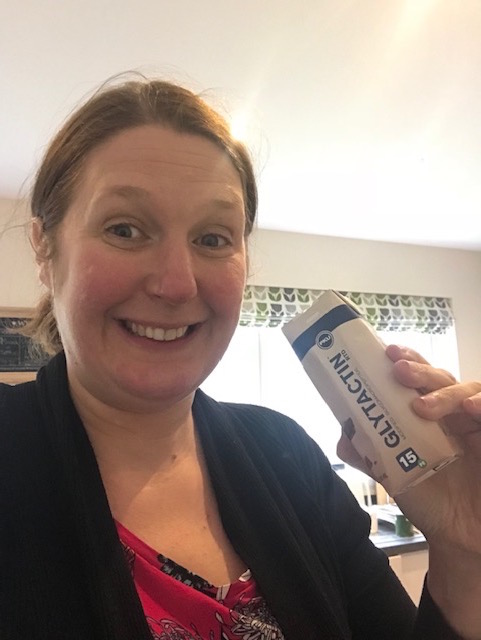
Well, it starts with waking up. I get up at 6.30 (or hit the snooze button and get up at 6.45am) each working day. I usually munch two slices of PKU Juvela bread with butter and marmite. The bread itself is dry and polystyrene like but with plenty of butter I enjoy it! I love my Glytactin 15 chocolate flavoured supplement and once I have had it I am set up for the day. It is really filling and I like the taste – much gentler and smoother than other supplements I have tried. The first time I had it I couldn’t believe how filling it was. I remember saying to my husband, ‘This must be the way it feels after you eat a steak! I am so full!’ I took it at lunch that day and in the evening I could hardly eat dinner I was still so full!
7.30am
After breakfast and getting the boys ready for school, I leave the house about 7.30/7.45 and drop them at their breakfast club. I am really lucky that neither of my boys have PKU. I head to school and am usually there by 8.15am.
8.30am
School starts at 8.30 and throughout the day I am on my feet constantly and have a to-do list that only seems to grow! At break time I take my second Glytactin of the day (the kids thought it was chocolate milk for the first few months I worked there and I had to explain that it was medicine! They thought I was drinking two cartons of chocolate milk in school everyday!) I teach P1 right through to Senior 2 (14 year olds) and there are only 30 kids in the school which sounds bliss but it brings it’s own challenges as the diversity and range of levels and abilities I teach from hour to hour means that I am constantly having to be ‘on the ball’ and flexible to all their needs.
I have a very savoury tooth and so I struggle to eat a lot of fruit. My major downfall is crisps so for break I usually eat a bag of crisps and a banana. I am allowed 15 grams of protein a day and while I must admit I do not always count them, on a working day, I am not usually that far off. I used the LowPro app to record my exchanges and my supplements and have found it useful in tracking how I am doing.
12.00pm
For lunch, I usually just have my Glytactin. Sometimes I have a tin of soup but I do find my Glytactin and a banana do the trick. I have to have lunch in the classroom with the kids and as I have little time out of class I tend to work through lunch on admin etc. I need to get better and more imaginative with my lunch. Sometimes if I have made enough dinner the night before I might bring it in and reheat it which is a rare treat!
3.00pm
I leave school at 3pm most days with the exception of a Thursday when I stay late (and bring an extra Glytactin!). When I get home I am usually ravenous so make some PKU toast and have some crisps or olives. I have recently discovered the Free From cheeses which have no protein and have been a God-send as I used to eat a little regular cheese from time which will have affected my levels.
6.00pm
My dinner, as I have already mentioned, is the part I struggle with – once I have cooked for the family I have little energy left to cook for me. My usuals are PKU pasta, veg and gravy or perhaps a stuffed mushroom, potatoes and veg. I eat a lot of veg. I don’t have a sweet tooth so never have pudding. I take my last Glytactin of the day after dinner.
I enjoy cups of tea after work and in the evening and use Coffee Mate as milk which is free. Coconut milk is also a favourite of mine for the rare occasion that I have a coffee.
Glytactin has really changed my life. Prior to Glytactin, I took a different supplement which was hard on my stomach and didn’t taste great at all. I rarely took it and felt the worse for it. I now take my Glytactin religiously 4 times a day and look for it if I don’t! My body tells me when I need it and it is like clockwork! I have a lot more energy these days and I am able to stay up later in the evenings. I sleep really well and my mental outlook on life is more positive when I am taking my supplement. I have found social media to be a huge support to me and PKU forums are great for recipe ideas and also just seeing that others are going through similar trials as me.
Weekends…
The weekends are definitely more challenging for me. I find I am out of routine and although I still take my supplement 4 times a day it can be a little irregular and I find my diet is less controlled. Eating out is difficult at times but I tend to ask for veg, potatoes and gravy and most places provide – although with varying levels of satisfaction! I find Italian restaurants to be the best. I can ask for my veg, chips and gravy or I can bring my PKU pasta and they happily oblige to create a Pomodoro pasta or the like for me. It is marginally easier now that veganism is fashionable. I had a great Portobello mushroom burger with vegan cheese and in a gluten free bun the other day. I always explain to the waiting staff that I am on a ‘strict medical diet’ and that usually does the trick. Sometimes they want more info but I don’t tell them anymore or I am likely to get a lettuce leaf on a plate! The whole ‘allergic to protein’ thing puts the fear of God into them!
Aspirations for the future and being grateful…
So, life in the day of a PKU is challenging but a way of life that I have had to adapt to more as an adult than a child, when my mum bore the brunt of the challenge! Day to day, I manage but I am aware of the need to do better. I am aware of my need to be fitter, get more exercise (umm..not sure when!) and to eat healthier as I am only getting older! I have many frustrations, from cooking to walking around the food shop and realising I can eat about 2% of the foods available! However, I feel mightily blessed and lucky to be healthy, to have had an education and have thrived in many things.
I managed best on my diet when I was pregnant and had to do it for the sake of my unborn child (it is funny how you do it for your child but not just for you!) and feel very grateful for my children every single day. PKU is a pain but managing it has made me count my blessings in life and appreciate my mum beyond anything in life! So to all you mothers and fathers to PKU babies and children out there: keep going – I know it is tough but keep going. You are literally changing the future for your children and when they grow up they will appreciate and love you all the more for it.
We would like to thanks Claire Briggs, for writing this very candid blog post for us, demonstrating the importance of family support and care. Claire is thriving in her career and is a devoted mother and daughter, that refuses to let PKU hold her back. She manages her PKU in a healthy way, whilst getting the most out of life and her family. If Claire can do it, so can you.
Would you like to share your story to help others? Email asteel@cambrooke.com for more information.
Living with PKU is hard, you need to follow a very restricted low protein diet for life which may involve eating and drinking foods and protein substitutes that you may not like. Feelings of isolation, loneliness and embarrassment can start to develop as a result. Dr Gisela Wilcox at the Salford PKU event, recalled a PKU child asking if they ‘can eat human food now’ at their birthday, which demonstrates how different PKU patients can feel their entire lives as a result of following the PKU diet.
Eating out, and being spontaneous is so difficult that many people feel that staying and eating at home is the best plan of action to stay on their PKU diet. Many patients have also experienced being the only ones not invited to a birthday party, further distancing them from their peers.
What is depression?
Depression is the most predominant mental health problem worldwide. According to the NHS, most people go through periods of feeling down, but depression is when you feel persistently sad for weeks or months, rather than just a few days. Depression is a real illness with real symptoms, it isn’t a sign of weakness or something you can “snap out of” by “pulling yourself together”.
How to tell if you have depression?
Depression affects people in different ways and can cause a wide variety of symptoms including, but not limited to:
Lasting feelings of unhappiness and hopelessness
Losing interest in the things you used to enjoy
Feeling very tearful
Constant anxiety
Constant tiredness
Sleeping badly
Having no appetite
Various aches and pains.
These symptoms can be quite mild or very severe, or somewhere in between.
Low protein diet & treatment of depression
Treatment for depression is varied, and you should always consult a health professional who will guide you towards the right treatment for you. It is also important to understand the role of diet in this area.
Certain key nutrients (Vitamin C, Vitamin B12 and Folate (Folic acid)), which can only be obtained through diet, are involved in the making of chemicals called Biopterins. These play a significant role in the synthesis of a number of chemical messengers in the brain called neurotransmitters, including dopamine and serotonin. Neurotransmitters are a type of chemical messenger which transmit signals across from one nerve cell to another.
Dopamine brings feelings of pleasure and provides a happiness boost based on a certain action. Vital brain functions that affect mood, sleep, memory, learning, concentration, and motor control are influenced by the levels of dopamine in a person’s body. A dopamine deficiency may be related to certain medical conditions, including depression and Parkinson’s disease.
Serotonin is more of a mood stabilizer than a booster. The non-mood related functions of serotonin and dopamine also differ, as dopamine primarily controls movement and serotonin contributes to sleep and digestion.
What can help alleviate the symptoms of mild to moderate depression on the PKU diet?
Socialise with others in the community, as well as with family and friends outside of the PKU community. Interaction will combat feelings of isolation and loneliness. There are lots of events held throughout the year, across the UK, as well as the NSPKU’s annual conference.
Connect with the community online through social media. You might be the only PKU person in your village, but there is a huge network out there! Some suggestions: PKU UK & Ireland, PKU Worldwide Support Network, NSPKU, Low Protein In 15.
Join the gym or start to walk every day as part of your routine. Exercise can have a massive impact on how you view yourself and how you feel mentally.
Stay on a low protein diet and keep your Phe levels consistently low as directed by your dietician. The more volatile your levels are, the higher the risk of constant tiredness, sadness and low mood.
Make sure you discuss low mood with your PKU clinic as they are the experts in your treatment.
The first detection of PKU can be traced back to Professor Følling in Norway in 1934. The parents of two children that were not developing as they should, took urine samples to Følling, their physician, and large amounts of phenylalanine were discovered. It then became Følling’s mission to test the urine of children showing similar developmental issues across the country. Over 400 children were tested and high levels of phenylalanine were detected prevalently throughout several of the subjects.
In 1936, Lionel Penrose was the first to use ‘diet’ to treat PKU. However his initial diet of apples, sugar and not much else, caused malnutrition amongst his subjects as they were getting no protein or amino acid substitutes alongside this low protein diet.
Horst Bickel developed a treatment for Sheila Jones in 1951/2. Robert Guthrie developed newborn screening in the mid 1960s, and it was subsequently rolled out across the UK in 1969. Previously, a nappy test (urine test) was conducted on children from 1952-1969 in the UK as Følling originally had done in Norway in 1934. But it was not applied to newborns, was not very sensitive and was not done universally.
Both Bickel and Guthrie were born on the 28th June, hence why we now celebrate International PKU Awareness Day on this day each year.
The first child to be successfully treated in 1951, was unfortunately unable to maintain the diet at the time. However, it was the first time the low phe diet was deemed effective. The original diet consisted mainly of gluten-free wheat starch in water, orange juice, cabbage, turnips, butter, apples, cooked apples and banana. In 1963 the first PKU guidelines were released and registers began monitoring patient diet and uptake.
Over the years, the guidance on the ‘age’ for staying on diet has also changed. Diet only in childhood was seen as necessary in the 1960s, whereas today, ‘diet for life’ and ‘treatment for life’ are advised.
The age for staying on diet steadily increased as the IQ of PKU adults was consistently falling.
In 1960, the first manufactured protein substitutes were produced and the idea of ‘free foods’ was introduced. ‘Free foods’ are now called ‘exchange free’ foods, to avoid unrestrained eating within this food group. For example, sugary sweets might be a ‘free-food’, but if you ate them in excessive amounts, you could be susceptible to tooth decay, obesity and other health problems.
The NSPKU, consultants, dietitians, PKU researchers and companies, continue to push through studies to increase our knowledge of PKU and treatment.
Join the NSPKU to receive their members’ newsletter.
This website uses cookies to improve your experience while you navigate through the website. Out of these, the cookies that are categorized as necessary are stored on your browser as they are essential for the working of basic functionalities of the website. We also use third-party cookies that help us analyze and understand how you use this website. These cookies will be stored in your browser only with your consent. You also have the option to opt-out of these cookies. But opting out of some of these cookies may affect your browsing experience.
Necessary cookies are absolutely essential for the website to function properly. These cookies ensure basic functionalities and security features of the website, anonymously.
Cookie
Duration
Description
cookielawinfo-checkbox-analytics
11 months
This cookie is set by GDPR Cookie Consent plugin. The cookie is used to store the user consent for the cookies in the category "Analytics".
cookielawinfo-checkbox-functional
11 months
The cookie is set by GDPR cookie consent to record the user consent for the cookies in the category "Functional".
cookielawinfo-checkbox-necessary
11 months
This cookie is set by GDPR Cookie Consent plugin. The cookies is used to store the user consent for the cookies in the category "Necessary".
cookielawinfo-checkbox-others
11 months
This cookie is set by GDPR Cookie Consent plugin. The cookie is used to store the user consent for the cookies in the category "Other.
cookielawinfo-checkbox-performance
11 months
This cookie is set by GDPR Cookie Consent plugin. The cookie is used to store the user consent for the cookies in the category "Performance".
viewed_cookie_policy
11 months
The cookie is set by the GDPR Cookie Consent plugin and is used to store whether or not user has consented to the use of cookies. It does not store any personal data.
Functional cookies help to perform certain functionalities like sharing the content of the website on social media platforms, collect feedbacks, and other third-party features.
Performance cookies are used to understand and analyze the key performance indexes of the website which helps in delivering a better user experience for the visitors.
Analytical cookies are used to understand how visitors interact with the website. These cookies help provide information on metrics the number of visitors, bounce rate, traffic source, etc.
Advertisement cookies are used to provide visitors with relevant ads and marketing campaigns. These cookies track visitors across websites and collect information to provide customized ads.